NAD+ levels generally decline with age, and research suggests this reduction may become more noticeable during middle adulthood. Lower NAD+ availability has been associated with reduced cellular energy production and less efficient DNA repair, although the rate of decline varies between individuals. That decline is part of why recovery slows, fatigue creeps in, and mental sharpness can feel less reliable as the years go by. In this guide, we at Elysian Institute break this concept down seamlessly to help you understand the factors impacting NAD+ levels.
What Drives the Decline
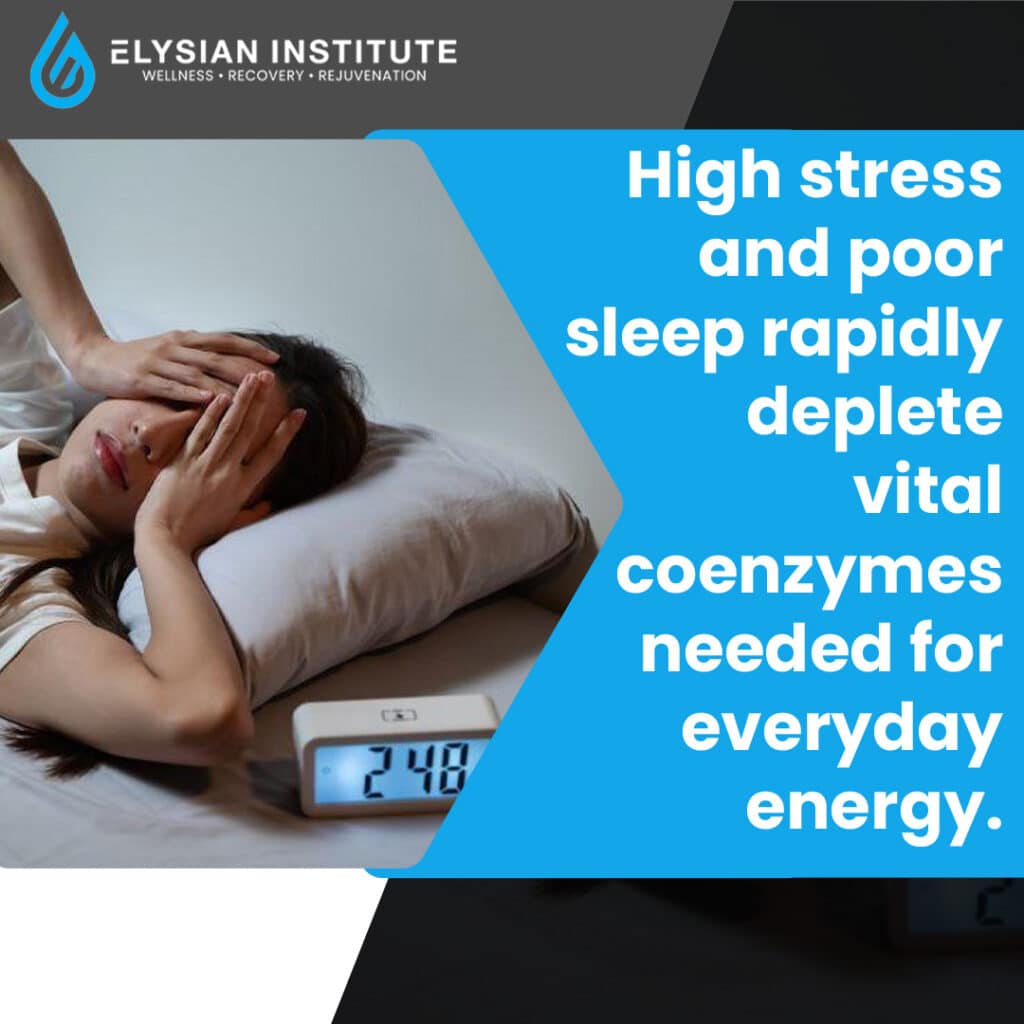
Chronic inflammation, oxidative stress, and certain lifestyle factors such as poor sleep may contribute to faster NAD+ depletion by increasing the activity of enzymes that consume NAD+ during cellular repair and immune responses. Enzymes that consume NAD+ for repair and signalling work overtime under these conditions, pulling down the pool of NAD+ available for everyday cellular energy needs.
The Role of Lifestyle Factors Beyond Age
Two people in their 50s can have very different NAD+ levels depending on how they’ve treated their bodies along the way. Years of high stress, irregular sleep, or heavy alcohol use tend to accelerate the decline, while regular exercise and good sleep hygiene can help slow it. This is part of why some clients in their 60s report more energy than others a decade younger at our anti-aging IV therapy clinic.
Why a Drop in NAD+ Actually Matters
Lower NAD+ means your mitochondria have less raw material to convert into usable energy, which shows up as the kind of fatigue that doesn’t resolve with sleep alone. It also affects activation of sirtuins, the enzymes tied to DNA repair and cellular longevity, so the decline touches more than just how tired you feel day to day.
What This Looks Like in Practice
Most clients we see for NAD+ therapy in Montana aren’t chasing a single symptom; they’re noticing a pattern: slower bounce-back after workouts, more midday energy crashes, or a general sense that recovery takes longer than it used to. Replenishing NAD+ through IV or intramuscular (IM) delivery is one way to support the body’s natural energy and repair systems, especially when paired with consistent sleep and movement habits.
Where IV Therapy Fits Into This
Because IV delivery bypasses digestion, it allows NAD+ to reach cells more directly than an oral approach could. Clients exploring IV therapy in Kalispell, MT, often start here specifically because age-related decline is gradual, and a direct-delivery approach gives the body more to work with right away rather than waiting for slow absorption.
Why Timing and Consistency Matter
A single infusion can offer a noticeable lift, but the clients who report the most lasting benefit tend to treat NAD+ as part of an ongoing rhythm rather than a one-time fix. Since natural decline is gradual and continuous, periodic replenishment tends to track more closely with how the body actually loses and regains its NAD+ reserves.
As with any IV-based protocol, dosing should be matched to your history and goals rather than applied generically, which is why a medical intake with our Nurse Practitioner comes first, and why intakes are renewed every six months.
If your energy or recovery has shifted with age and you’re curious whether NAD+ has a role to play, reach out to us at (406) 837-2550 or [email protected] to schedule a consultation. Our team at Elysian Institute can also walk you through related options like peptide therapy for anti-aging if that’s a better fit for your goals.