Evidence-based wellness relies on measurable data and medical oversight, while biohacking trends often rely on anecdote, social proof, or marketing momentum. The difference comes down to whether a method has actually been tested and monitored over time, or just popularized online by someone with a large following and no clinical training.
Why Does the Term “Biohacking” Raise Skepticism?
Biohacking earned a mixed reputation because the term covers everything from rigorous, supervised protocols to risky self-experimentation with unregulated substances and unproven devices. Wellness interventions need proper evaluation to separate genuine benefit from placebo or clever marketing. This is the gap evidence-based wellness is designed to close.
What Gets Measured Instead of Trends
Instead of following whatever’s popular, the focus stays on what can actually be measured: body composition, recovery markers, and how a client responds to a given therapy over repeated sessions.
This is also why a health optimization clinic approach looks different from a routine pulled together from social media posts. Our performance wellness center in Montana builds a plan around your specific data; a trend assumes one protocol works the same way for everyone, which simply isn’t how physiology works.
Why Does Clinical Oversight Matter?
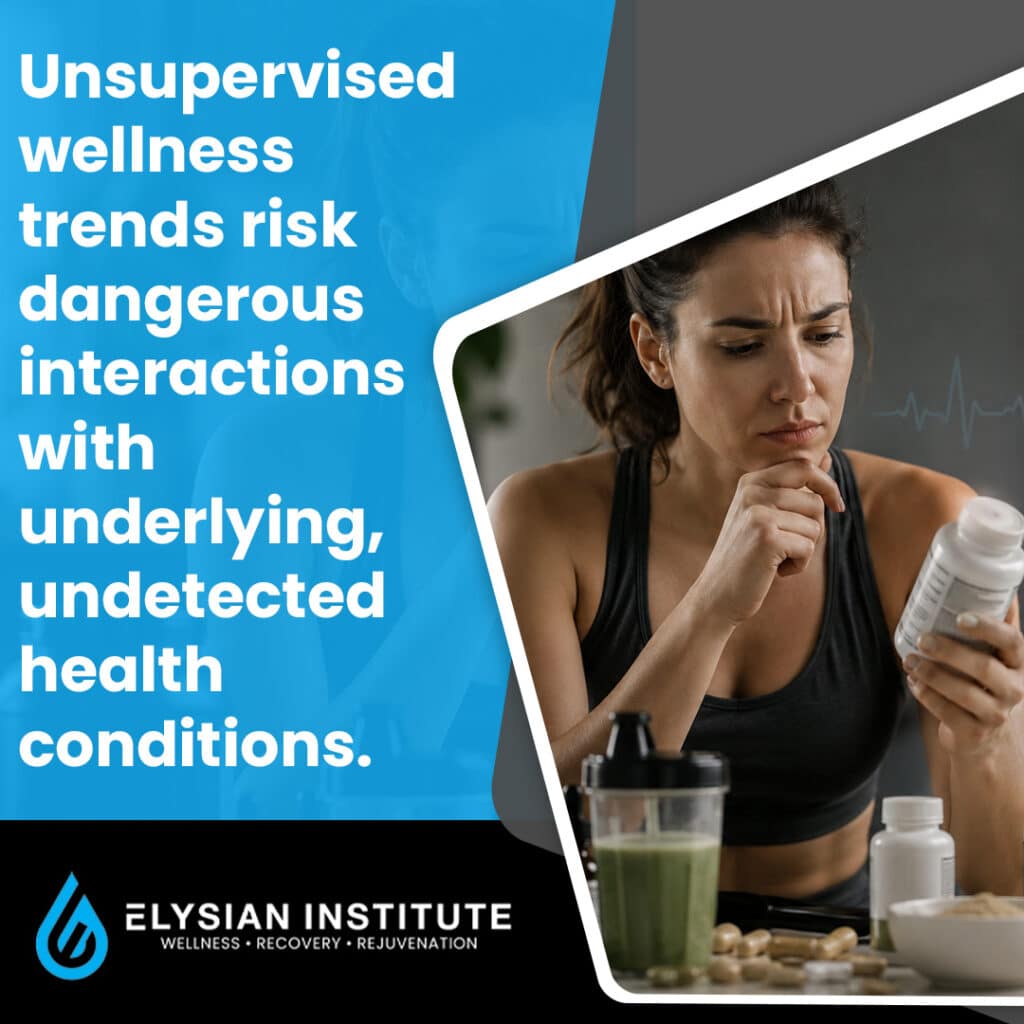
Without medical supervision, even well-intentioned protocols can interact poorly with existing health conditions, medications, or underlying risk factors that aren’t obvious on the surface. Oversight isn’t a formality; it’s what separates a responsible model from generic biohacking advice circulating online.
How Intake and Monitoring Work
Every client at Elysian completes an intake with our Nurse Practitioner, with intakes renewed every six months to stay current. If yours has lapsed, arriving 15–20 minutes early gives us time to review your history before your appointment begins, so nothing gets missed.
We track outcomes through tools referenced in our integrative longevity clinic services, so every recommendation stays grounded in your actual results rather than assumptions about what should work.
What Does the Responsible Standard Look Like in Practice?
In practice, therapies are selected based on personal health history and specific goals rather than current trends.
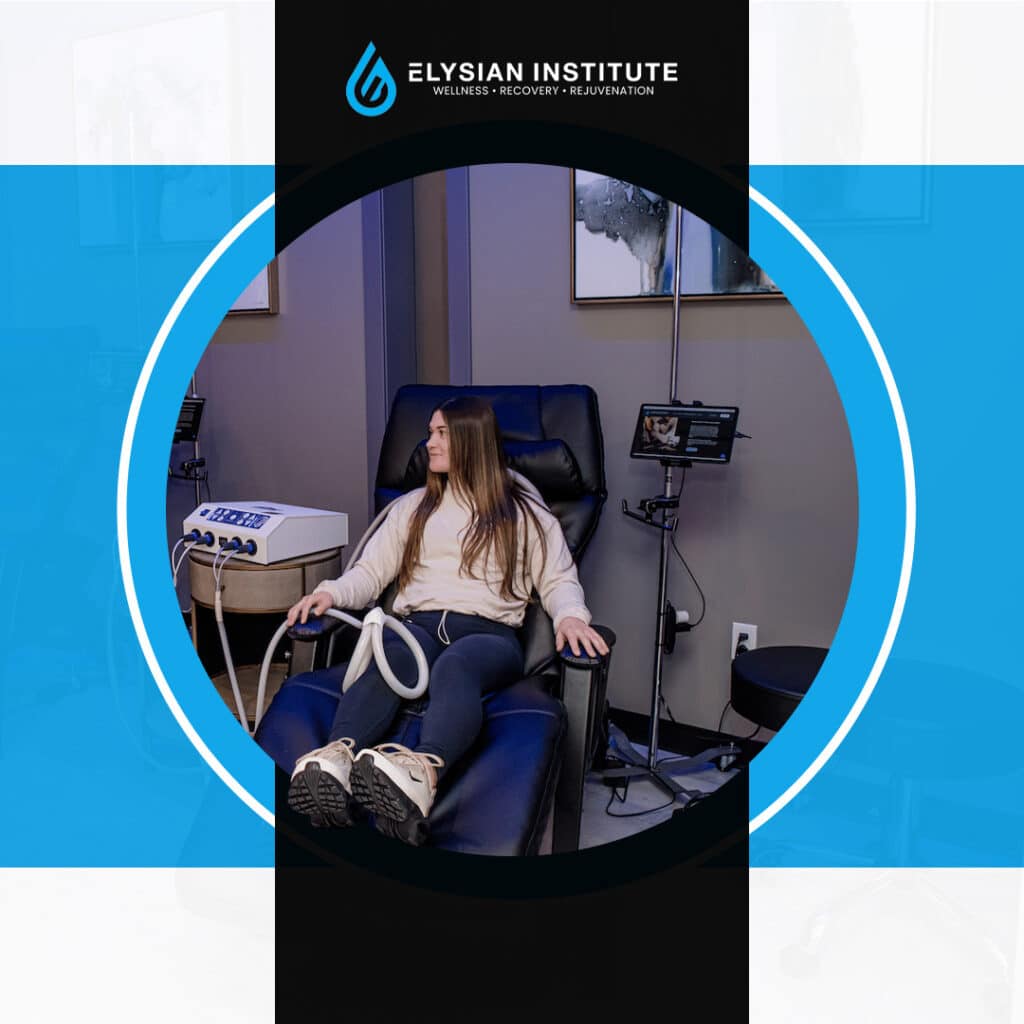
For example, athletes might receive IV hydration and compression, whereas those prioritizing cellular health begin with body composition testing. This clinical model prioritizes medical supervision and measurable data over novelty, ensuring every plan is grounded in proven results.
How Can You Put This Approach Into Practice This Summer?
This evidence-based model extends into how seasonal offerings are structured, too. Summer punch cards bundle popular recovery therapies, red light, PEMF, cryotherapy, and room rentals, alongside IM injection and IV packages, all valid for six months and shareable between two people.
What’s Included in the Monthly IV Rotation
Each month features a unique IV infusion targeting seasonal needs: early-season energy, midsummer immunity, peak-heat hydration, or a fall reset. These rotating blends are available for one month only. As with all services, a current medical intake with our Nurse Practitioner (renewed every six months) is required, and our early-arrival policy applies to these seasonal bookings.
Elysian Institute built its approach around this distinction: wellness guided by data and clinical judgment, not internet trends that fade in a few months. If you want a plan rooted in what actually works for your body, reach out to our health optimization clinic at (406) 837-2550 or [email protected] to get started.